The Covid-19 pandemic has reshaped many aspects of daily life, with mental health being one of the most profoundly affected areas. Anxiety, depression, and other mental health conditions have surged as individuals grapple with isolation, uncertainty, and loss. Traditional methods of seeking help through in-person therapy faced significant challenges during lockdowns, leading to a rapid pivot toward teletherapy. This shift has not only provided immediate relief for many but also highlighted the potential long-term benefits and accessibility of online mental health services.
When we think about mental health care before the pandemic, it typically involved face-to-face interactions with therapists in an office setting. However, as social distancing measures took effect, many people found themselves isolated at home with their thoughts—and often their fears. Reports indicated that anxiety rates tripled in certain demographics during the early months of the pandemic. One study found that nearly 40% of adults reported symptoms of anxiety or depressive disorder compared to just over 10% prior to the outbreak. As these statistics illustrate, the need for accessible mental health resources became urgent.
Teletherapy emerged as a viable solution during this period, providing a necessary lifeline for those struggling to maintain their mental well-being. Online consultations allowed individuals to connect with licensed professionals from the safety and comfort of their homes. For many, this meant avoiding the stigma associated with visiting a therapist's office or simply eliminating travel time altogether.
The Rise of Teletherapy
Teletherapy encompasses various forms of online therapy including video calls, phone sessions, and even text-based communication. Platforms like Blue Lily Psychiatry began offering services that made it easier for patients to seek help without geographical constraints. This development is particularly important in places like Fort Lauderdale where access to quality mental health care can be limited.
One notable aspect is how teletherapy broke down barriers related to scheduling and availability. Many therapists adapted their hours to accommodate clients who had varying schedules due to remote work or family commitments. The flexibility offered by online consultations enabled more people to find time for Online Psychiatrist Fort Lauderdale FL therapy when they needed it most.
In addition to convenience, teletherapy has proven effective for numerous conditions ranging from anxiety disorders to PTSD. Research indicates that online therapy can be just as effective as traditional face-to-face sessions for treating specific issues such as depression and anxiety. While some may prefer in-person interactions due to personal comfort levels or specific therapeutic techniques that rely on physical presence, many have found online formats equally beneficial.
Personal Experiences with Teletherapy
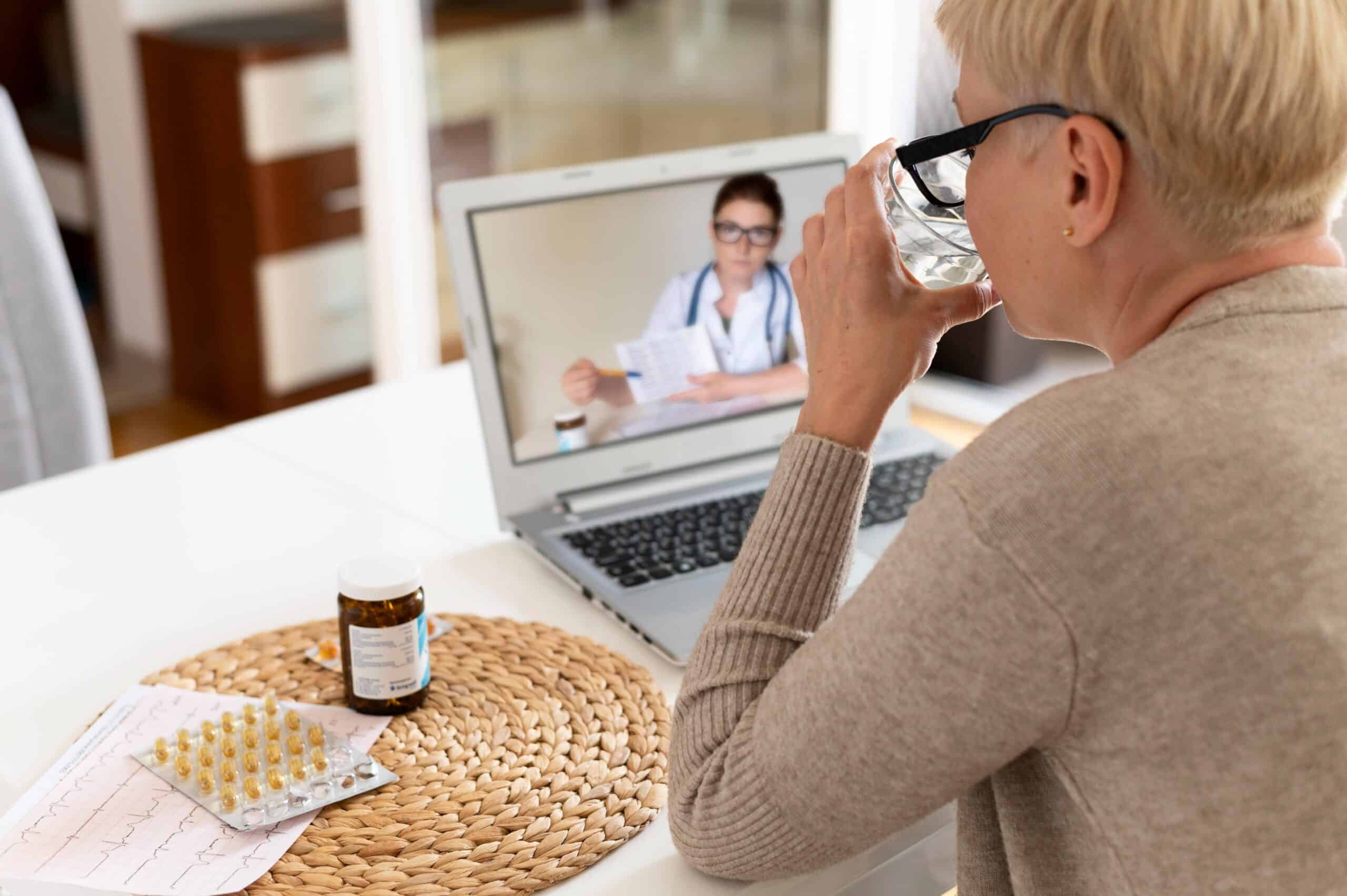
Clients across different backgrounds have shared experiences highlighting both struggles and triumphs during this transition. For instance, a young professional in Fort Lauderdale described her initial apprehension about engaging in therapy over video calls but eventually found it liberating. She noted that being able to engage from her living room made her feel more at ease and allowed her to open up about her feelings more freely than she might have in an office setting.
Another individual recounted how teletherapy helped him cope with job loss during the pandemic. He struggled with feelings of inadequacy and stress but found solace in regular sessions that provided him not only a safe space but also practical coping strategies tailored for his situation.
These anecdotes reflect broader trends; studies show that individuals using teletherapy report high satisfaction levels regarding access and perceived effectiveness. Therapists have also observed that clients often display increased honesty when discussing sensitive topics via screens rather than face-to-face meetings.
Accessibility Challenges
Despite its advantages, teletherapy is not without challenges. Access remains a significant hurdle for some populations who may lack reliable internet connections or devices capable of supporting video calls—especially among underserved communities or older adults who may not be technologically savvy.
Moreover, while teletherapy provides flexibility, it cannot fully replicate certain therapeutic techniques that rely on non-verbal cues or physical presence—an essential component in building rapport between therapist and client. Some practitioners argue that while virtual sessions are helpful, they should complement rather than replace traditional methods whenever possible.

The Future Landscape of Mental Health Care
As we move beyond immediate crisis management into recovery phases post-pandemic, it's vital for stakeholders in healthcare—including policy makers—recognize the value teletherapy brings while addressing its limitations. A hybrid model combining both face-to-face sessions and virtual options could offer comprehensive care tailored to individual needs.
Insurance coverage for telehealth services has expanded considerably since 2020; however, sustainability remains an ongoing concern as regulations continue evolving across states like Florida. Ensuring consistent reimbursement policies will be crucial in maintaining access for all individuals seeking support.
Furthermore, training medical professionals on effectively delivering care via virtual platforms should be prioritized so they can maximize engagement techniques suited specifically for digital environments—a skill set separate from traditional therapy practices yet equally important moving forward.
Building Community Connections
Community organizations play an instrumental role alongside mental health providers by promoting awareness about available resources—both online consultations such as those offered by Blue Lily Psychiatry—and local support groups which foster connection among peers navigating similar struggles.
Peer-led initiatives have gained traction throughout this period whereby individuals share experiences openly through forums or group chats designed explicitly around topics such as grief processing or coping skills amidst uncertainty brought on by changing circumstances daily life presents us today.
Creating safe spaces—whether physical or virtual—for open dialogue encourages healing collectively rather than isolating ourselves further within our own minds during times marked by distressful events unfolding around us constantly outside our windows every day we wake up anew feeling unsure what awaits us next week let alone tomorrow itself if we choose not reach out first step towards reclaiming agency over our lives again starts here together united strong through shared experiences facing challenges head-on instead allowing them consume us silently inside our heads forevermore alone trapped within confines created only within ourselves escape possible if willing take leap faith trust others walking path beside us every step along way forward together side-by-side towards brighter dawn ahead awaiting patiently just beyond horizon once we finally decide take plunge into uncharted waters uncertain though they may seem right now moment courageously embark journey healing toward recovery together hand-in-hand no longer isolated anymore beneath shadows loneliness cast far too long already gone past time emerge victorious reclaim lives once lived fully free from burdens weighed down carrying too heavy hearts any longer…
While navigating these complex emotional terrains isn't easy—telehealth options provide valuable tools enabling those ready tackle obstacles head-on find strength rebuild lives anew stepping forth boldly into light once again discovering joy rediscovering hope lost somewhere along way returning back home themselves whole again healed renewed ready embrace future unknown ahead bright possibilities await patiently waiting just beyond reach fingertips…
Embracing change means accepting new realities while holding onto traditions past; finding balance essential harmonizing old ways present ones adapting seamlessly together creating new norms evolving continuously ensuring everyone included journey ahead finds fulfillment happiness ultimately desired deeply rooted desire shared universally across cultures backgrounds alike stemming naturally from core humanity binds us call each other home no matter where find ourselves along paths chosen ultimately lead us back toward love understanding acceptance genuine compassion felt shared amongst all fellow travelers sharing this world journeying together side-by-side always striving better selves brighter futures await patiently beckoning forth inviting each one step closer turning dreams reality slowly transforming vision hope into tangible experience lived each day filled abundance grace peace joy flourish thrive…
Blue Lily Psychiatry
1451 W Cypress Creek Rd #300, Fort Lauderdale, FL 33309, United States
+1 954-477-8023
[email protected]
Website: https://www.bluelilypsychiatry.com